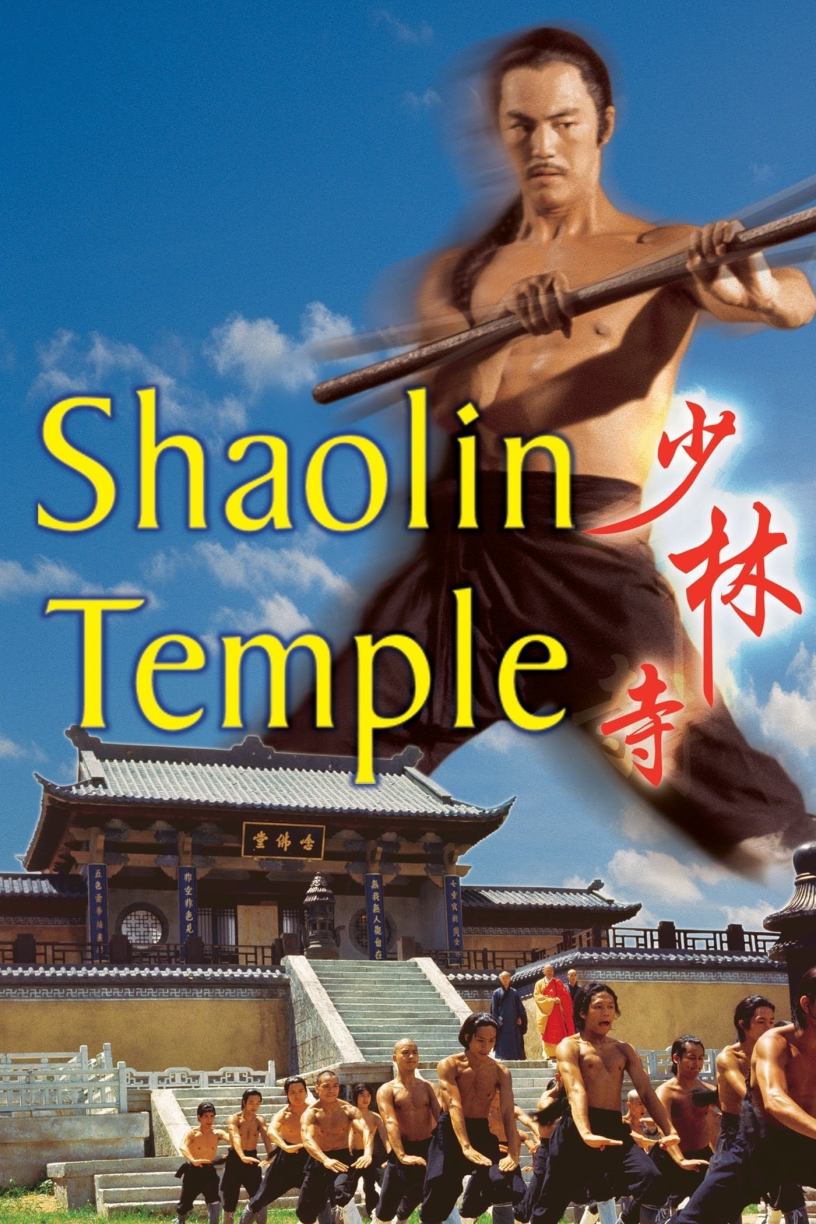
Shaolin Temple (1976) is one of Shaw Brothers Film Studio’s prolific output in the 60’s and 70’s in Hong Kong. Directed by preeminent martial arts auteur Chang Cheh, it contains much of Chang’s signature obsessions: aggressive & violent masculinity, male brotherhood over romantic attachment, spectacular gore, and brutal violence. As one of the films featured on the Shawscope (Volume 1) box set released by Arrow, it is a classic Shaw Bros picture, and arguably one of Chang Cheh’s better known features.
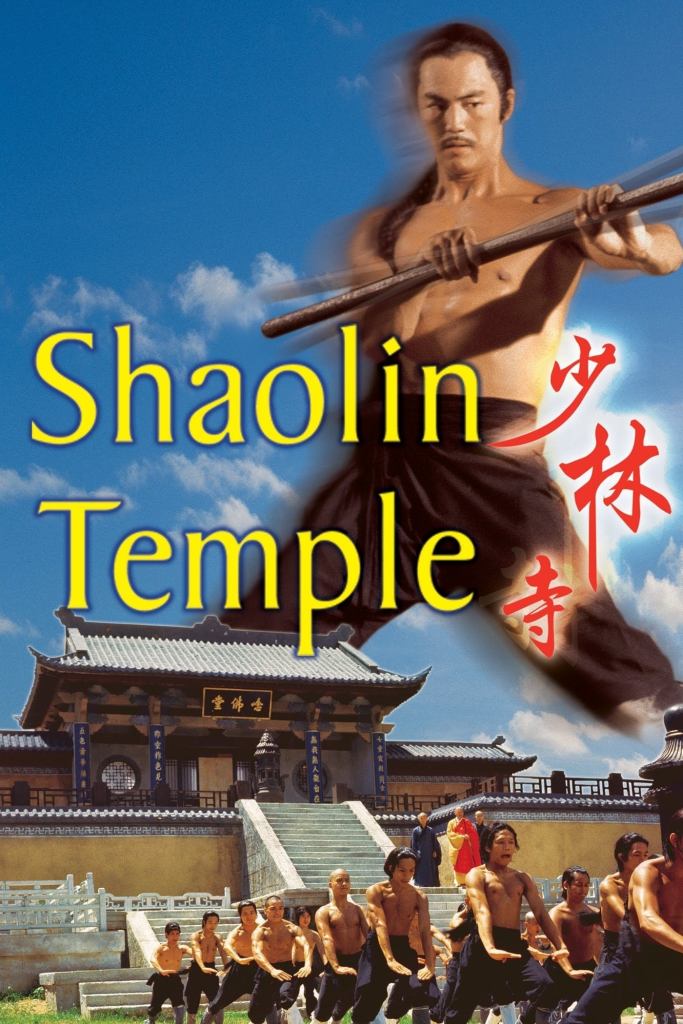
Not to be confused with the Shaolin Temple (1982) that launched Jet Li’s career, this features Alexander Fu Sheng in the lead role as a young prospective acolyte of the aforementioned temple. This is a companion piece to 5 Shaolin Masters (1974) and part of the informal Shaolin Cycle, a number of films which feature the Shaolin Temple heavily as part of the plot, all directed by Chang Cheh, although not part of a single story or narrative which maintains continuity. This is not the Shaw Brothers answer to the MCU by any means. There are 8 films in the Shaolin Cycle and Chang Cheh would likely have made more, had the moviegoing public maintained interest in these stories, according to film historian Tony Rayns.
Shaolin Temple features a narrative about Ming patriots, aided by the monks at the temple who train them in martial arts, who resist the violent incursions of the Qing invaders. Shaolin Temple, like 5 Shaolin Masters, is easier to follow with a modicum of background in the downfall of the Ming Dynasty. That being said, these are as far from dry historical period dramas as a film can be. The phenomenal Lau Kar-Leung (known for his dynamic stunt choreography and directing classics like The 36th Chamber of Shaolin) does excellent work as a stunt choreographer and the cast ably performs stunning fight choreography. The martial arts complement Chang’s fixation on masculine violence, with many gruesome disembowelments on display. Chang Cheh is known for his bleak, hyper-violent storytelling, and if that is something you seek, you would be hardpressed to find a better provider than him.
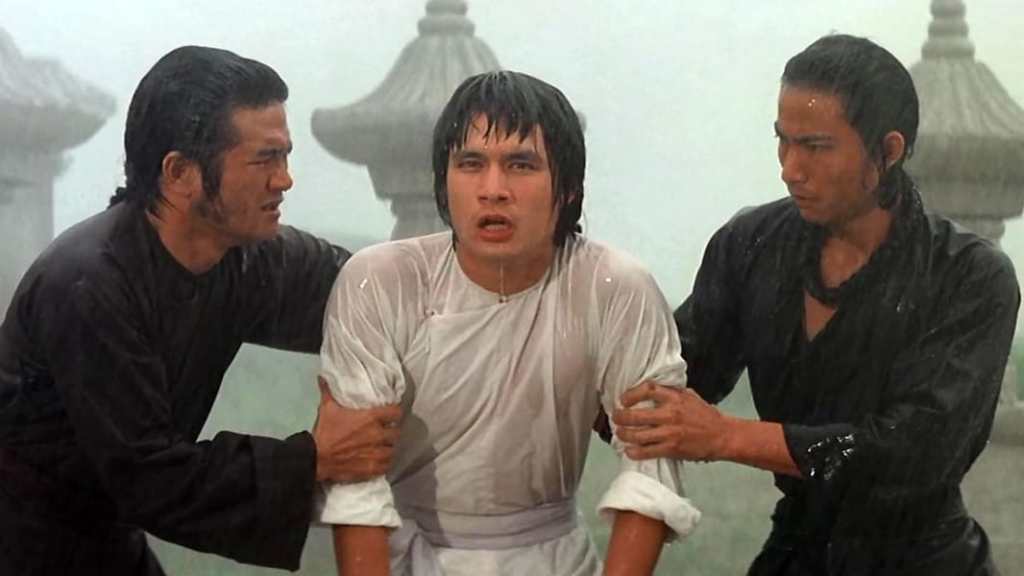
Alexander Fu Sheng (who has been aptly described as a proto-Jackie Chan) skillfully provides lighthearted chuckles, as well as performing challenging and complex martial arts stunt work. His charisma is on full display, and a roster of Chang Cheh regulars rounds out the cast. David Chiang and Ti Lung in particular may ring a bell, given how they feature with great frequency on this particular boxset of Shaw Bros films. The actual story of the film often feels hallucinatory in its strangeness. Mechanical wooden men, greatly inventive training montages, and treachery abound in a propulsive and captivating martial arts film. It’s worthwhile noting that inventive and unusual training montages were a staple of the genre long before classic fare like The Karate Kid (1984) came to the big screen and while this doesn’t match The 36th Chamber of Shaolin on sheer iconic creativity, these are greatly enjoyable scenes. Ultimately, this is an entertaining and diverting movie, but be prepared for dark turns.
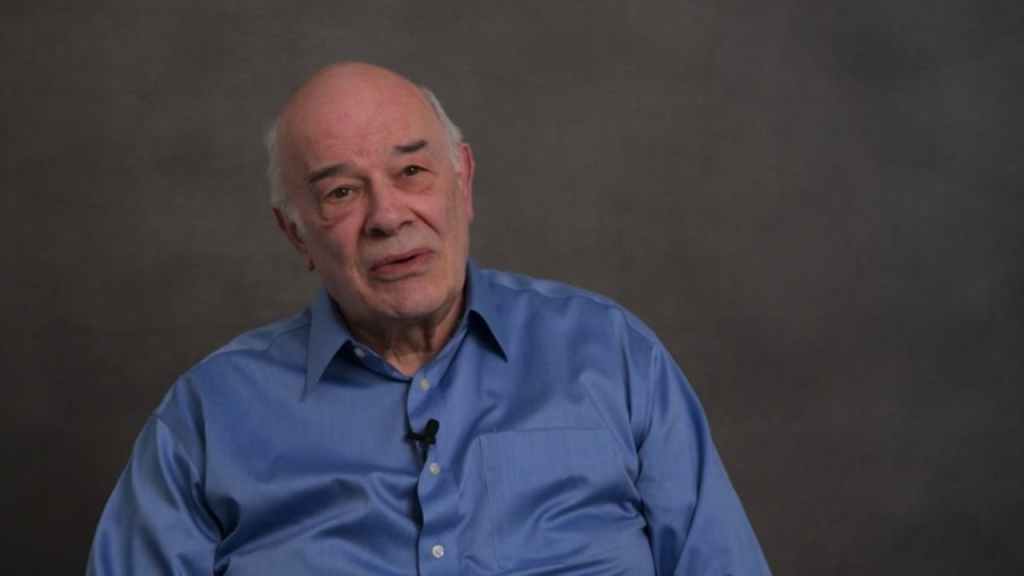
Tony Rayns is such a brilliant film historian and any special features featuring his expertise are worth watching. Rayns has two particular really interesting observations, which I will be a little bit cheeky and share with you. Chang Cheh has a noted fixation with male movie stars, and in particular disdained with working with female talent. This was notably an unusual stance, as Hong Kong cinema had been for a time dominated by features which heavily featured women, particularly musicals with notable female casts. His predilection for shirtless muscular male heartthrobs to get really sweaty and inflict gruesome (and arguably homoerotic) violence on each other has undeniable queer undertones. Chang Cheh strenuously rejected any insinuations as to his sexuality, but it is a very interesting observation nonetheless.
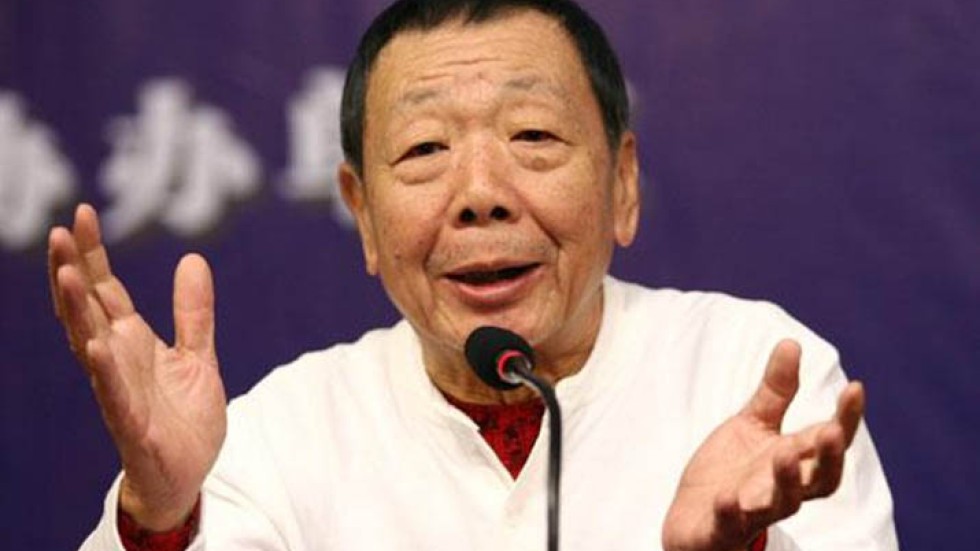
The second observation that Rayns makes is that Chang Cheh had a series of co-directors on his later work, and likely his co-director on this feature, Wu Ma, did a lot of the directing, with Chang Cheh providing his input and stamp of approval, giving advice and feedback, and even acting almost akin to a producer. His productivity suggests that he had at least some ghost directors, given that at one point he was ostensibly directing 10 films a year. In any event, regardless of his actual directorial output in this particular film, this is a pretty classic Chang Cheh film, with all the hallmarks that this entails.
I wouldn’t say that this is his best work, but this is undeniably a distinctive Chang Cheh feature. If anything that I have brought up in this review resonates with you, then this film definitely might be something that would be worth your time. It certainly is for any hardcore kung fu or Shaw Bros fan. For someone looking for an easier introduction to Chang Cheh, my go-to recommendation would be The One-Armed Swordsman (1967). Starring Jimmy Wang Yu, it is a fabulous martial arts movie featuring a great charismatic lead, and an iconic character. It’s also considerably lighter than later works by the director.
Best of luck out there to any burgeoning kung fu fans! The genre is rife with gems and Shaolin Temple is a solid entry!
 Commonplace Curiosities